The Trunk Table: A Journey Through History, Design, and Function
The Trunk Table: A Journey Through History, Design, and Function

The trunk table, a seemingly simple yet multifaceted piece of furniture, holds a rich history and a captivating story to tell. More than just a surface for placing objects, it embodies a fascinating intersection of practicality, aesthetics, and cultural significance. This article delves into the evolution of the trunk table, exploring its origins, diverse forms, and enduring appeal in contemporary design.
From Chest to Table: A Transformation Through Time
The trunk table’s origins can be traced back to the humble chest, a ubiquitous storage solution in pre-industrial societies. These chests, often crafted from sturdy wood and adorned with intricate carvings or metalwork, served as repositories for valuable possessions, clothing, and household items.
Over time, the chest evolved into a more versatile piece of furniture, incorporating a hinged lid that could be raised and used as a flat surface. This transition marked the birth of the trunk table, a piece that seamlessly combined storage and functionality.
The Trunk Table in Different Cultures and Eras
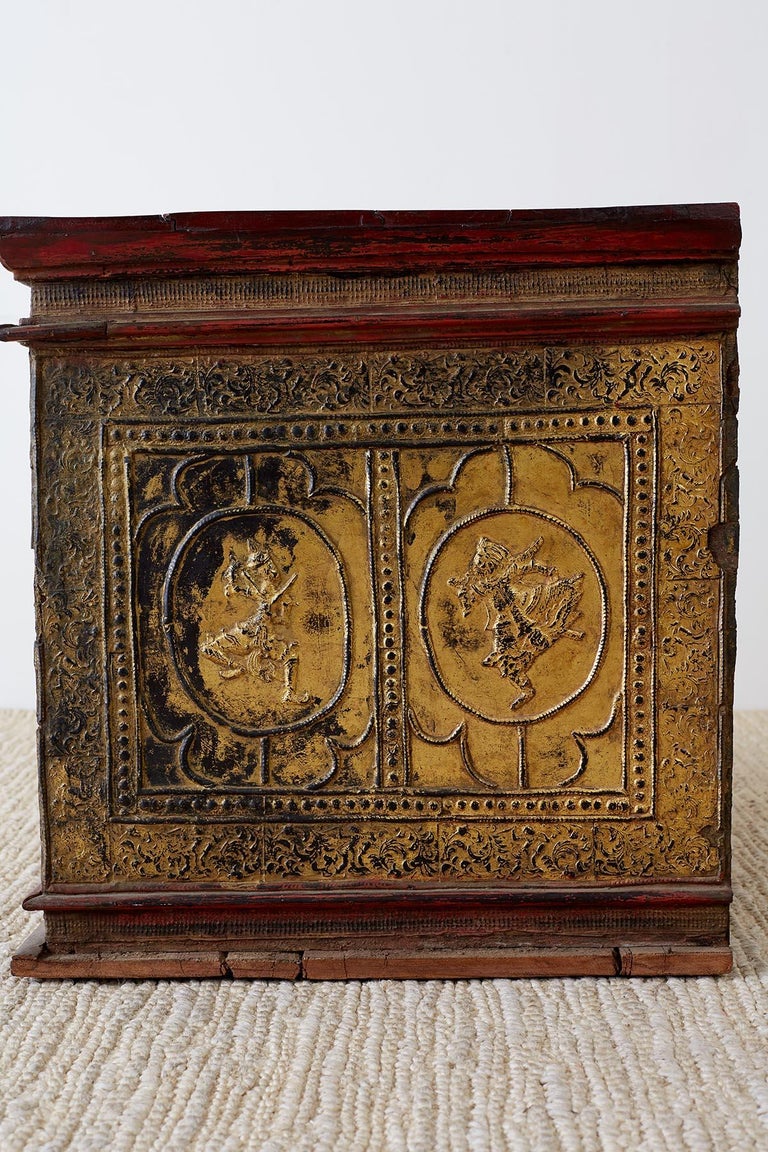
The trunk table’s journey through history is marked by its diverse interpretations across cultures and eras.
Medieval Europe: In medieval Europe, chests and trunk tables were essential furnishings in both homes and churches. They were often crafted from oak, pine, or walnut and adorned with intricate carvings, reflecting the craftsmanship of the time. These tables served as dining surfaces, writing desks, and even makeshift beds.
Renaissance and Baroque: During the Renaissance and Baroque periods, trunk tables became more elaborate, incorporating decorative elements like inlaid woods, marquetry, and intricate carvings. They were often used as display pieces, showcasing the wealth and status of their owners.
Colonial America: In colonial America, trunk tables were a staple in homes, serving as both storage and dining surfaces. They were typically crafted from local woods like pine and maple, and often featured simple, functional designs.
Victorian Era: The Victorian era witnessed a resurgence in popularity for trunk tables, which were often crafted in ornate styles with elaborate carvings and decorative finishes. These tables were frequently used as display pieces for collectibles and family heirlooms.
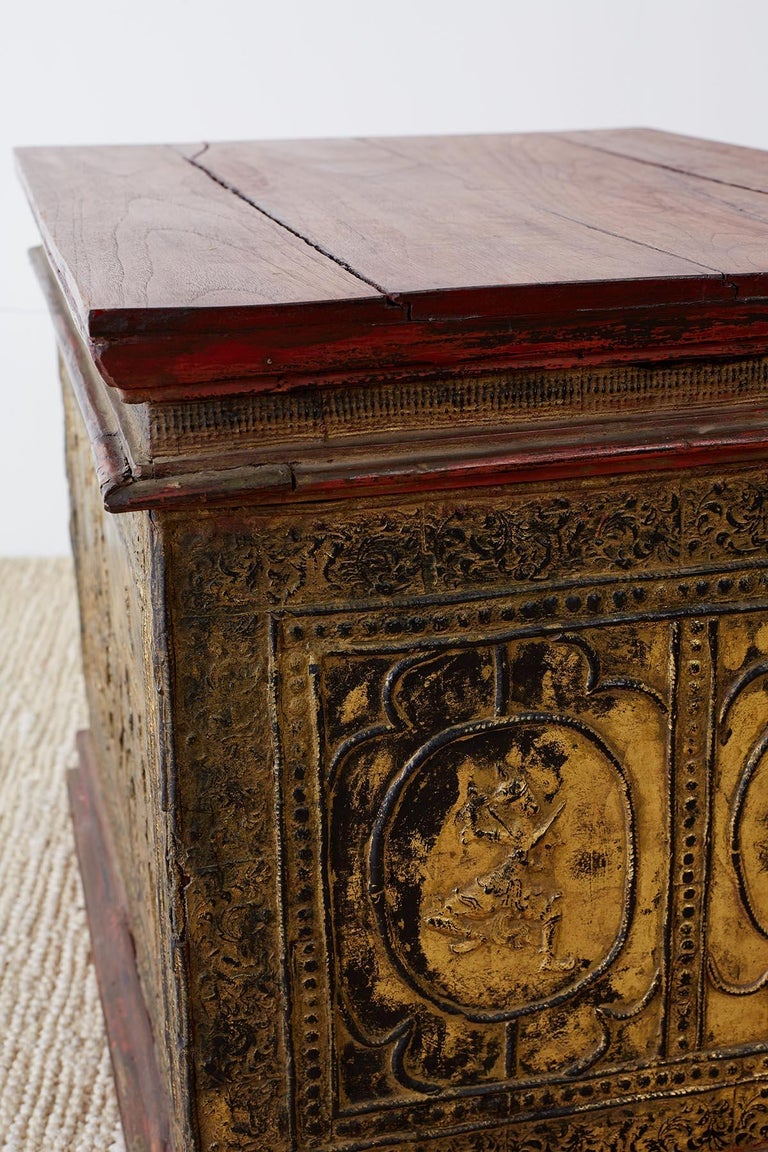
20th Century and Beyond: In the 20th century, the trunk table experienced a revival as a design element in both traditional and contemporary interiors. Designers embraced its versatility and historical significance, reinterpreting it in new materials and styles.
The Trunk Table’s Diverse Forms and Functions
The trunk table’s versatility is evident in its diverse forms and functions:
Storage Trunks: These traditional trunk tables feature a hinged lid that opens to reveal a spacious storage compartment. They are ideal for storing linens, clothing, or other household items.
Coffee Tables: Trunk tables can be used as stylish and functional coffee tables in living rooms. Their sturdy construction and ample storage space make them perfect for holding books, magazines, and other essentials.

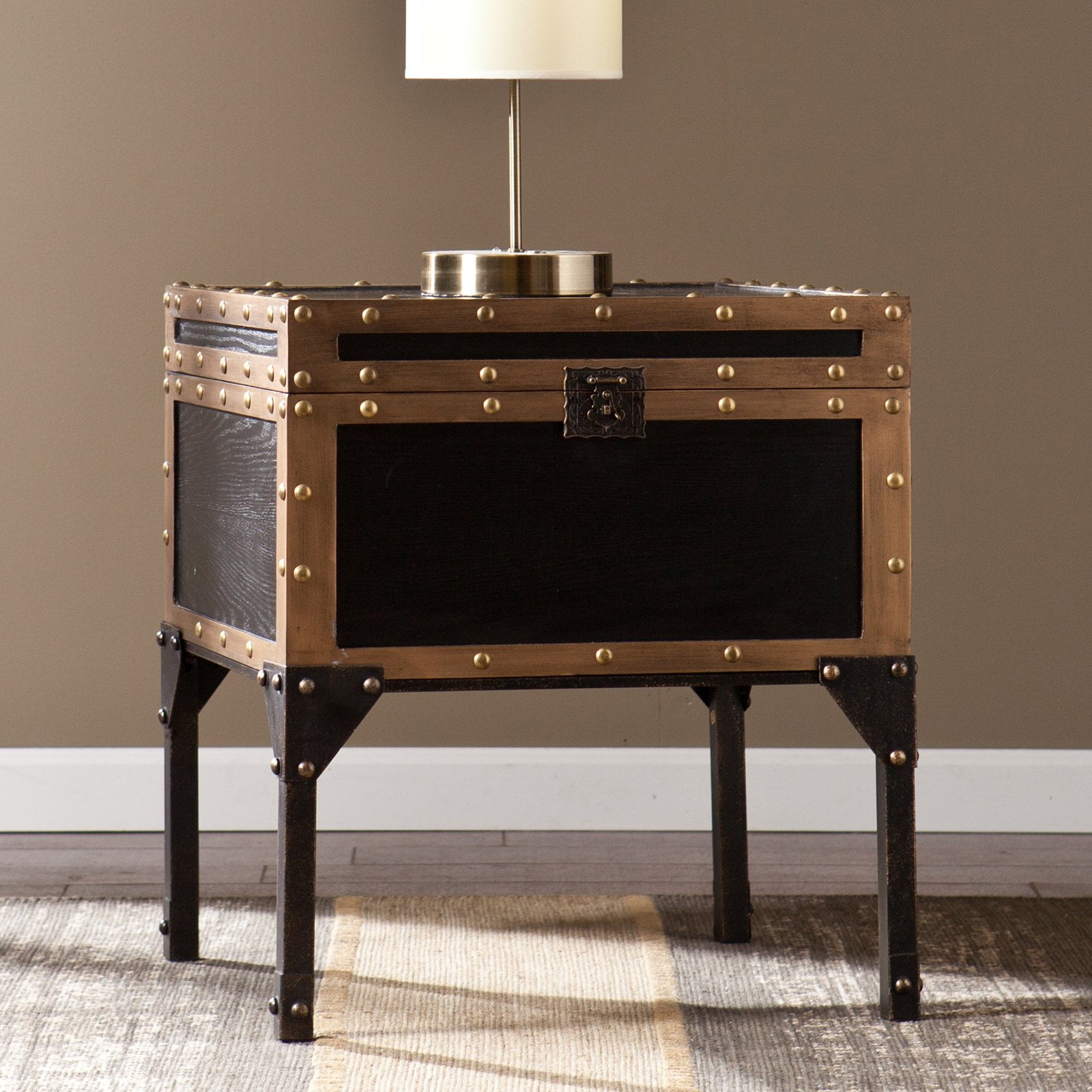
Side Tables: Smaller trunk tables can serve as side tables in living rooms or bedrooms, providing a surface for lamps, drinks, or decorative items.
End Tables: Trunk tables can also be used as end tables, flanking sofas or chairs and offering a convenient place to store items within reach.
Writing Desks: Some trunk tables feature a built-in writing surface, making them ideal for use as desks in home offices or libraries.
Dining Tables: Larger trunk tables can be used as dining tables, offering a unique and rustic aesthetic to the dining room.
The Trunk Table in Contemporary Design

In contemporary design, the trunk table continues to hold its own, with designers reinterpreting its classic form in new and innovative ways.
Modern Materials: Trunk tables are now crafted from a wide range of materials, including metal, glass, and even recycled materials. These modern interpretations retain the essence of the traditional trunk table while offering a fresh and contemporary aesthetic.
Minimalist Designs: Minimalist trunk tables feature clean lines and simple forms, emphasizing functionality and practicality. They often incorporate natural materials like wood and leather, adding a touch of warmth and sophistication to any space.
Industrial Chic: Industrial-style trunk tables often feature exposed metal accents, distressed wood finishes, and a rugged aesthetic. They are perfect for adding a touch of urban cool to a loft or industrial-inspired space.
Custom Designs: Many designers offer custom-made trunk tables, allowing homeowners to create unique pieces that reflect their personal style and needs. These bespoke designs can incorporate unique materials, finishes, and features, making each piece a one-of-a-kind treasure.
The Enduring Appeal of the Trunk Table
The enduring appeal of the trunk table lies in its versatility, practicality, and historical significance. It is a piece of furniture that seamlessly blends form and function, offering a unique blend of style and storage. Whether used as a coffee table, side table, or writing desk, the trunk table adds a touch of character and history to any space.
Beyond Furniture: The Trunk Table as a Symbol
The trunk table holds a deeper significance beyond its practical uses. It serves as a symbol of journeys, memories, and the passage of time. Its ability to store and protect valuables represents the importance of preserving our past and cherishing our memories.
Conclusion
The trunk table, a piece of furniture steeped in history and brimming with versatility, continues to captivate designers and homeowners alike. Its enduring appeal lies in its ability to seamlessly blend functionality, aesthetics, and cultural significance. From its humble origins as a chest to its modern interpretations, the trunk table remains a testament to the enduring power of design and the importance of preserving our past.

Also read: Ukuran Meja Makan 4 Orang
Posting Komentar untuk "The Trunk Table: A Journey Through History, Design, and Function"